Classic Slots Online UK: Reels, Lines and Rules
 Available in GB
Explore the structure, symbols, reel layouts and UK rules that define classic slots across pub machines and online games.
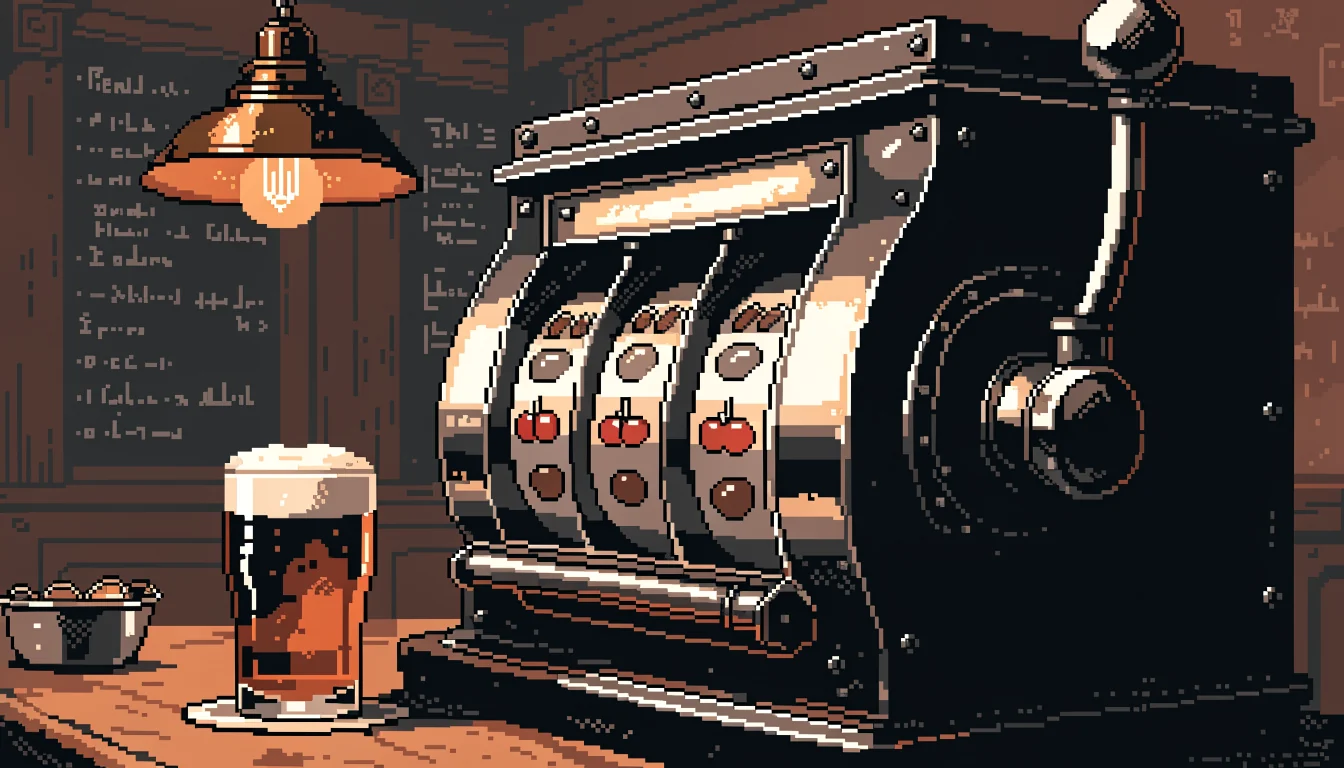
Table of Contents
- What Makes a Slot Classic?
- Classic Slot Machines: From Pub Fruit Machines to Online Play
- Choosing a Classic Slots Casino by the Rules That Matter
- Classic Slot Games: Reels, Lines and Winning Features
- How to Play a Classic Slot Online
- Real-Money Classic Slots in the UK: Stakes, Prizes and Controls
- What “Classic Slot UK” Means in Practice
- Free Classic Slots: A Low-Stakes Way to Learn the Format
- Classic Fruit Slots and the British Machine Tradition
- Classic Slot Machine Symbols: The Visual Language of the Reels
What Makes a Slot Classic?
A classic slot is defined less by its age than by its structure. The format uses a clear reel display, a limited set of winning lines, familiar symbols and a compact ruleset that can be understood without a long tutorial. That makes it different from modern slots built around layered features, extended narratives or multiple interactive stages.
The word “classic” is therefore a description of a style, not a legal category. In the UK, gaming machines are categorised according to the maximum stake and prize available. The recognised categories are A, B1, B2, B3, B3A, B4, C and D. A reel layout or a traditional visual design does not, by itself, identify which category a machine belongs to.
Reels are the starting point
The reels are the most visible part of the format. They show columns of symbols and change when a spin is made. Traditional designs often use a compact reel arrangement, with the result presented directly rather than through a sequence of animated screens.
This page helps UK players assess classic slots options for 2026 by focusing on key practical details such as licensing, bonuses, payout speed and minimum deposits. Use the overview to identify which operators match your preferences before choosing where to play.
License: UKGC Operator Licence · Bonus: £100 bonus · Payout speed: Within 24 hours · Min. deposit: £10 LeoVegas holds a UKGC Operator Licence and offers a £100 bonus. Its stated payout speed is within 24 hours, with a £10 minimum deposit.
License: UKGC Operator Licence · Bonus: £50 bonus · Payout speed: Within 48 hours · Min. deposit: £10 Platinum Gaming Limited is a UKGC-licensed operator offering a £50 bonus. Payouts are stated as being available within 48 hours, and the minimum deposit is £10.
License: UKGC Operator Licence · Bonus: £100 bonus · Payout speed: Within 24 hours · Min. deposit: £10 ProgressPlay Limited operates under a UKGC Operator Licence and provides a £100 bonus. It lists payouts within 24 hours and a £10 minimum deposit.
License: UKGC Operator Licence · Bonus: £100 bonus · Payout speed: Within 24 hours · Min. deposit: £10 Genesis Global Limited is covered by a UKGC Operator Licence and offers a £100 bonus. Its stated payout speed is within 24 hours, with a £10 minimum deposit.
License: UKGC Operator Licence · Bonus: £20 bonus · Payout speed: Within 48 hours · Min. deposit: £10 Silverbond Enterprises holds a UKGC Operator Licence and offers a £20 bonus. Payouts are stated as being processed within 48 hours, and the minimum deposit is £10.
License: UKGC Operator Licence · Bonus: £200 welcome bonus · Payout speed: Within 48 hours · Min. deposit: £10 32Red is a UKGC-licensed operator offering a £200 welcome bonus. It states a payout speed of within 48 hours and a £10 minimum deposit.
That is where the phrase 3-reel classic slots comes from. A three-reel layout places the emphasis on a small number of visible symbol positions and a straightforward winning pattern. It is often associated with the older fruit-machine style, although the number of reels alone does not decide whether a game should be called classic.
Some online versions use more reels while retaining the same restrained design. The useful test is not simply to count the columns. Look at how much of the game depends on the reels themselves, how many lines are available and whether the rules remain easy to read from the main game screen.
Paylines keep the result readable
A payline is the route used to determine whether matching symbols form a win. In a classic slot, the line structure is usually one of the first things you can identify. The game may use a single central line, a small group of fixed lines or another limited arrangement shown in the paytable.
This gives the format its direct quality. You can see what the line is, which symbols are relevant and where a match must appear. Modern online slots may add expanding ways to win, changing line patterns or several separate win systems. Those mechanics are not automatically incompatible with a classic theme, but they move the design away from the traditional format when they become the main attraction.

A classic slot should make the relationship between reels and paylines visible. If you need several screens to understand how a result is formed, the game is no longer relying on the simplest classic structure.
Symbols carry much of the information
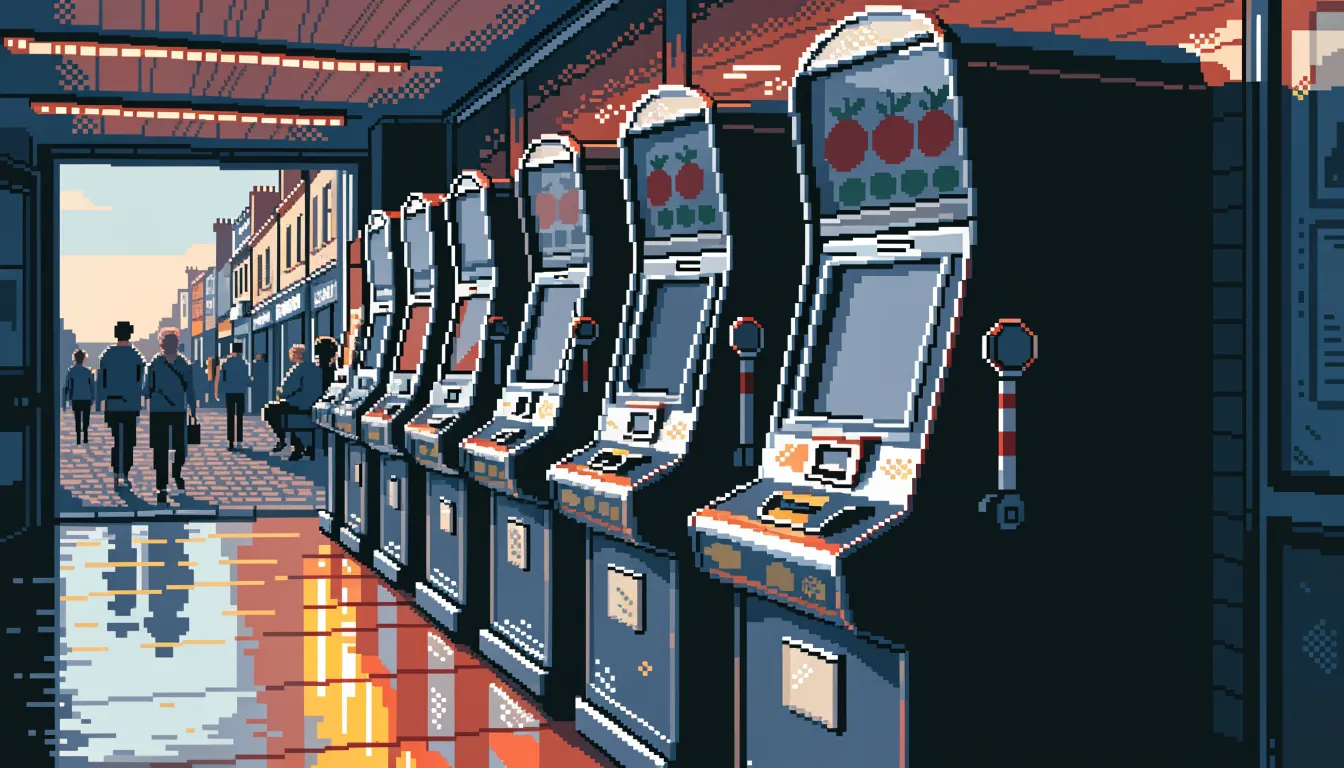
Traditional symbols are functional as well as decorative. Fruit, bells, bars, sevens and playing-card values are commonly associated with the visual language of classic slots, but the presence of one familiar icon does not define the whole game. What matters is how the symbols work within the reel layout and paytable.
A well-structured classic slot makes the symbol hierarchy clear. Lower-value symbols can sit alongside more distinctive premium symbols, while a special symbol may have a separate role in the rules. The important point is that the display tells you what to check: which symbols match, where they must land and whether a special symbol changes the result.
This is also why a classic slot can remain recognisable when its artwork changes. The theme may be different, but the underlying presentation still depends on simple symbols arranged on visible reels.
Bonuses should support the core format
Classic slots can include bonus features, but these are generally secondary to the reel result. A wild symbol may substitute for another symbol, a scatter may trigger a separate feature, or a bonus round may add another way to receive a prize. None of these features automatically makes a slot modern or non-classic.
The dividing line is emphasis. In a classic design, the bonus is easy to identify and its relationship with the base reels is clear. The main game does not disappear beneath a chain of menus, missions and optional mechanics. The bonus adds variation; it does not replace the format.
That distinction matters when comparing classic slots online in the UK. A game can use polished graphics and still retain a traditional structure. Conversely, a game can use vintage artwork while relying on a complicated system that has little in common with a classic slot.
Classic is a format, not a promise
The term does not indicate a particular return, outcome or level of risk. It describes presentation and mechanics. It also does not tell you whether the game is free or played for money, nor does it identify a UK gaming-machine category.
Format style Visible reels and simple rules
Core components Reels, symbols, and paylines
UK Context Regulated by machine category (e.g., B1, C, D)
For online classic slots, the practical definition is narrower and more useful: visible reels, a comprehensible payline system, recognisable symbols and bonuses that remain subordinate to the basic spin. That definition helps you separate the general style from the specific machines and named games discussed elsewhere.
You should also keep the terminology in proportion. “Classic slot”, “classic online slot” and “UK classic slots” are convenient descriptions for a familiar design tradition. They are not substitutes for the formal UK classification of gaming machines. Legal classification follows the available stake and prize, not the nostalgia of the artwork.
Simple structure. Clear rules.
Classic Slot Machines: From Pub Fruit Machines to Online Play
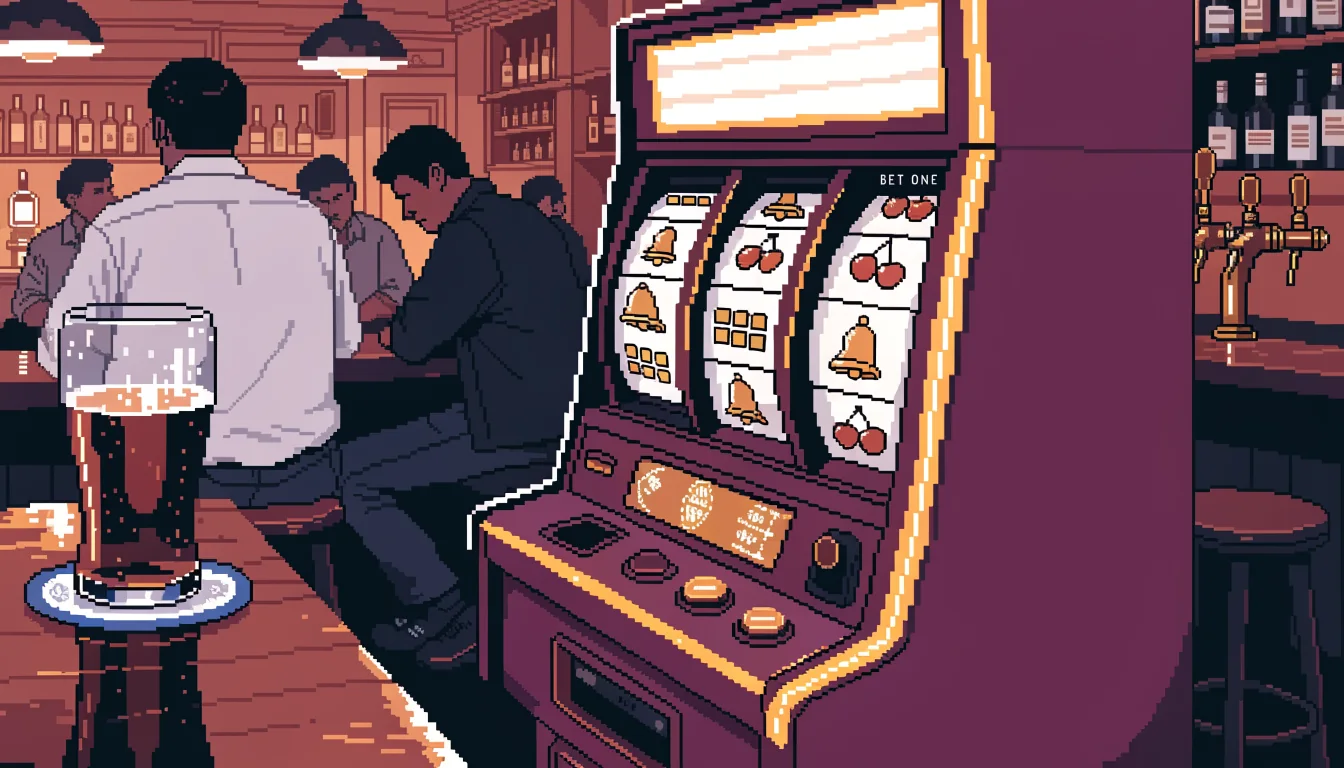
In the UK, the phrase “classic slot machine” often points to a familiar pub fruit-machine format rather than a single legal category. The visual idea is easy to recognise: reels, fruit symbols, a compact cabinet and a straightforward stake-and-prize structure. The legal position is more precise. UK gaming machines are classified according to the maximum stake and prize available, so the appearance of a machine does not determine its category by itself.
That distinction matters when you compare a classic 3-reel slot machine with a physical gaming machine in a pub. A three-reel layout describes the presentation. Category C describes a regulated machine type with defined limits and permitted venues. The two descriptions may overlap, but they are not interchangeable.
From the pub machine to the online version
The British pub fruit machine is most closely associated with Category C. Category C machines are the classic British pub fruit machine, with a maximum stake of £1 and a maximum prize of £100. They may be made available in pubs, licensed family entertainment centres, clubs, bingo premises, adult gaming centres, betting shops, tracks with pool betting and casinos.
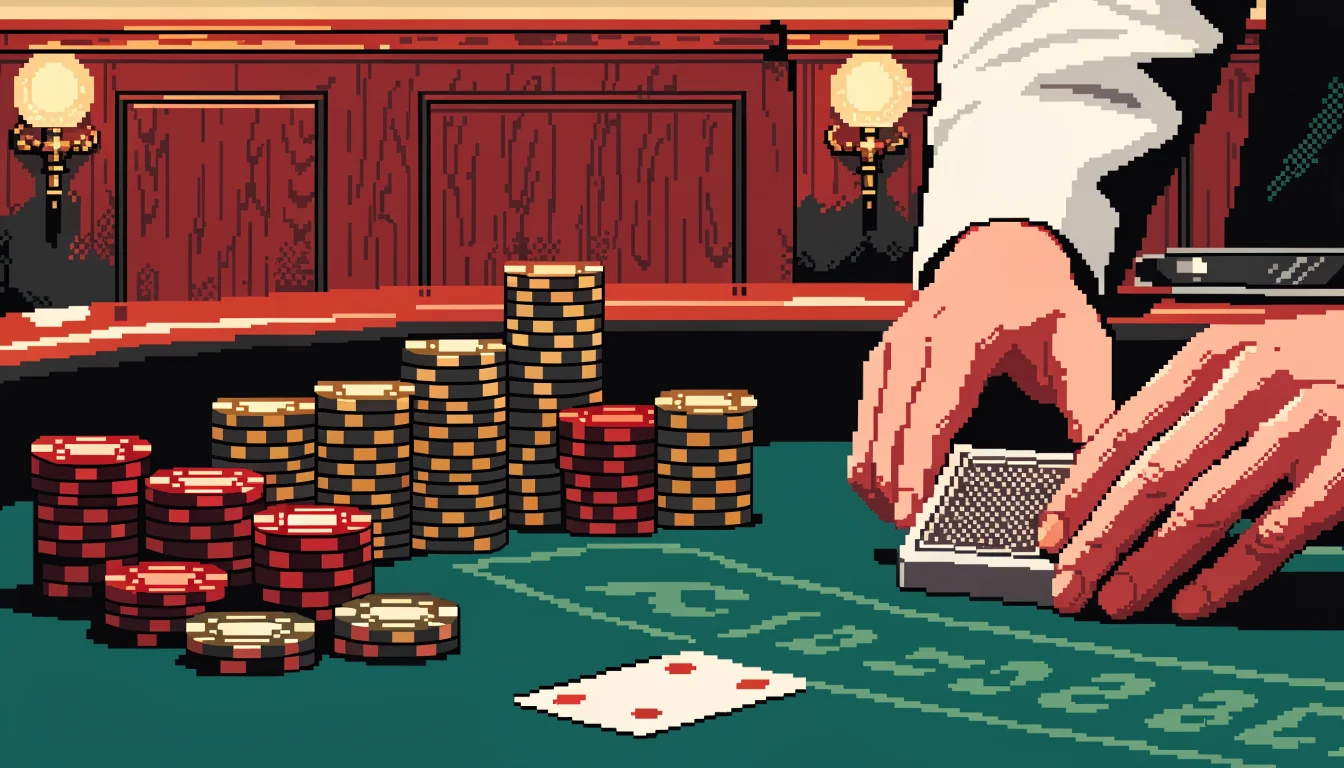
For an alcohol-licensed pub, the venue rules are equally important. After notifying the local licensing authority, the pub is automatically entitled to up to two Category C or D gaming machines. That is a permission linked to the premises, not a general description of every machine that might look like a fruit machine.
This is why the phrase “slot machine classic” can be misleading in a UK context. A cabinet may have traditional reels and fruit imagery, yet its legal treatment depends on the machine category, its stake and prize structure, and the type of venue where it is installed. The design creates recognition; the classification creates the regulatory meaning.
Online play borrows the same visual language without placing a physical cabinet in a pub. An online game may reproduce reels, fruit symbols and a simple control panel, making it feel like a classic machine. That resemblance does not turn the online product into a Category C machine. Physical gaming-machine categories and online gambling products belong to different regulatory contexts.
What Category D adds to the picture
Category D provides another useful comparison. These machines are generally low-stake fruit-machine style machines, coin pushers or crane grabs. Unlike Category C, Category D machines have no age restriction. They also have five different combinations of stake and prize.
The range of formats explains why “classic slot machines” can mean different things to different players. One person may be referring to a reel-based fruit machine in a pub. Another may mean a low-stake machine in a family entertainment centre. Someone playing a digital recreation may use the same phrase for an online interface with traditional symbols.
The shared appearance is not enough to establish the legal category. A coin pusher and a fruit-machine-style cabinet can both fall within Category D, but they do not offer the same type of interaction. A crane grab is also a different machine experience from a reel-based game, even though both may be found among familiar amusement-machine formats.
Classic British pub fruit machines with a maximum stake of £1 and a maximum prize of £100.
Low-stake amusement machines, such as coin pushers or crane grabs, with no age restriction.
Casino-only machines with a maximum stake of £5 and a maximum prize of £10,000.
Venue context changes the meaning
A machine should be read together with its venue. Category C is available across a wide range of permitted locations, including pubs, casinos, betting shops and adult gaming centres. Category D has its own venue context and is associated with low-stake amusement formats. The same casual label—“fruit machine”—can therefore cover machines subject to different rules.
This is also why a physical classic machine should not be assessed solely by its artwork. Check the category, the venue and the displayed stake-and-prize information. A traditional cabinet can be visually simple while still operating under a clearly defined regulatory framework.
The pub remains the strongest cultural reference point. The compact machine beside the bar established the familiar British image that later online designs reproduce. Yet online classic slot games are presentations, not pub permissions. They may echo the reel layout and fruit-machine style, but their status cannot be inferred from nostalgia or appearance.
Comparing physical and digital formats
| Feature | Physical pub format | Online classic-style format |
|---|---|---|
| Main reference point | British pub fruit machine | Digital recreation of traditional reel presentation |
| Relevant question | Which gaming-machine category applies? | Which online gambling framework applies? |
| Visual identity | Reels, fruit symbols and cabinet controls | Reels, symbols and on-screen controls |
| Venue issue | Pub or another permitted premises | Remote access rather than a physical premises |
| Classification shortcut | Appearance alone is insufficient | Similar appearance does not create a Category C machine |
This comparison helps separate the machine from the format. A classic slot machine games page may use the language of fruit machines because that is what players recognise. But when you encounter classic slots real money or classic slots online real money, the important question is not whether the graphics resemble a pub cabinet. It is which rules govern the product being offered.
Free classic slot games create the same visual association without proving anything about a physical machine category. Whether the format is described as free online classic slot games or as a way to play classic slot machines online free, the wording refers to a digital experience. It should not be treated as evidence that the game is a Category C or Category D machine.
The practical rule is simple: identify the format first, then identify the legal setting. A classic reel layout explains what the machine looks like. The UK category and venue explain what it is allowed to do. That distinction keeps the familiar pub fruit-machine tradition connected to online play without confusing the two.
Choosing a Classic Slots Casino by the Rules That Matter
Finding the best classic slots casino UK players can use is not a matter of collecting the longest game list. A better comparison starts with the operator’s legal position, the machine categories it offers, the testing behind those products, and the information shown before you play. That approach is more useful than a ranking of unnamed “best classic slots sites”, because the right choice depends on what you need: a broad casino environment, access to a particular category, or clear information about the machine in front of you.
Start with the licence, not the design
An online casino serving consumers in Great Britain must hold a UK Gambling Commission operating licence, regardless of where the business is based. Online gambling also requires a remote operating licence. The relevant check is not a logo placed in a footer. You can compare the operator’s name or licence number with the UKGC public register and confirm that the listed domain matches the site you are visiting.
This is the first filter for any search for an online classic slots casino. If the operator identity or domain does not match the public register, the comparison should stop there. Attractive presentation cannot repair an unclear licensing position.
Verifying the Operator
- Check the operator’s name against the UKGC public register
- Confirm the domain matches the listed licence
- Verify the machine category and permitted venue
- Ensure the minimum average return is clearly displayed
The Gambling Act 2005 is the primary legislation governing gambling in Great Britain, while the UKGC issues operating, personal and premises licences. For an online casino, the operating and remote licensing position is the practical starting point. Keep the check specific. “Licensed” is useful only when you know which regulator issued the licence and which domain it covers.
Compare the machine category
A classic-looking game does not, by appearance alone, tell you its legal machine category. The categories have different rules about where machines may be made available and what information must be displayed.
| Category | Where the verified rules allow availability | Relevant comparison point |
|---|---|---|
| B1 | Casinos only | Maximum stake of £5 and maximum prize of £10,000 |
| B2 | 2005 Act and 1968 Act casinos, betting shops, and tracks with pool betting | Check the category and displayed return information |
| B3 | Casinos, betting shops, tracks with pool betting, bingo premises, and adult gaming centres | Access and venue controls matter |
| C | Various permitted venues, including pubs | It is not interchangeable with B1, B2 or B3 |
For an online comparison, do not assume that a site’s use of terms such as “classic”, “fruit-style” or “reel-based” identifies the category. Ask what product is actually being offered and what regulatory information accompanies it. Category B1 machines can only be made available in casinos, while Category B2 and B3 machines have different permitted venue frameworks. An Adult Gaming Centre licence permits unlimited Category B3, C and D machines, but that fact does not turn every online game into an Adult Gaming Centre product.
The label matters. So does the setting.
Check the player-facing return information
A casino offering classic slots for real money should give you enough information to understand the product before you commit funds. For Category B1 machines, there is no minimum RTP requirement, but the minimum average return must be displayed to the player. That makes the displayed figure a comparison criterion rather than decorative technical language.
Do not rank one site above another simply because it uses a larger promotional claim. Compare whether the applicable return information is visible, understandable and attached to the relevant machine. A figure that cannot be connected to the game you are considering is not a useful comparison.
The same principle applies when you are looking for classic slots online for real money or planning to play classic slots online for real money: identify the product, read the information shown for it, and distinguish a machine category from a general marketing description. The site that explains its games clearly may be a better choice for you than one with a more impressive-looking lobby.
Look for independent testing controls
The verified UK framework requires Category B1, B2, B3 and B3A gaming machines to be tested by an independent test house. Category B3A gambling products must also be tested by a test house before market release. These are controls to look for in the operator’s or product information, not claims to infer from graphics or familiar symbols.
A careful comparison therefore asks:
- Is the machine category identified?
- Is the applicable return information displayed?
- Is testing information available or clearly referenced?
- Can the product be connected to the operator offering it?
- Does the operator’s licence and domain match the UKGC public register?
This is a stronger framework than asking which site has the “best classic slots” selection. No verified list of operators or software providers is available here, so naming winners would create false precision. The better site is the one that satisfies the criteria relevant to your intended play.
Separate real-money and free access
Searches for free classic slots no download or free online classic slots no download describe a different use case from real-money play. If you want to inspect the interface without depositing, compare whether the site labels the mode clearly and keeps it separate from money play. Do not treat a free demonstration as evidence about real-money outcomes, and do not assume that a familiar interface proves anything about licensing, category or return information.
For real-money play, the decisive checks remain the licence, the product category, the displayed information and the testing framework. For free access, the main comparison is whether the mode is clearly identified and allows you to understand the controls without confusing it with a regulated money transaction.
Essential Checks
- Identify the format (reels, symbols, paylines) before playing.
- Verify the operator’s UKGC licence and domain.
- Distinguish between the visual style and the legal machine category.
- Check the paytable for specific rules on symbols and winning combinations.
That distinction keeps the comparison honest. “Best” depends on the job: free access for learning the layout, or a licensed casino with transparent information for playing with money. First check the rules. Then compare the games.
Classic Slot Games: Reels, Lines and Winning Features
Classic slot games are built around a compact set of components: reels, symbols, paylines, winning combinations and a control panel for starting each spin. The format is easier to read than many modern casino games because the result is presented through a direct reel display rather than through several overlapping game modes.
That simplicity does not mean every machine works identically. A classic slot game can differ in the number of reels, the number of active lines, the way symbols are arranged and the features attached to a winning combination. The useful comparison is therefore mechanical, not decorative.
Reels and the basic spin
The reels are the vertical columns that display symbols when the game is started. In a traditional presentation, each reel stops in sequence and forms a visible arrangement with the neighbouring reels. The player then checks whether matching symbols have landed on an active payline.
A reel is not the same thing as a payline. Reels describe the visual structure of the machine; paylines describe the routes used to evaluate the result. A game may show several reels while offering only selected lines, or it may allow the player to adjust which lines are active before the spin.
The spin itself is the central action. Unlike roulette, the player is not choosing a number or colour. Unlike blackjack, the player is not making decisions after the initial deal. In a reel-based game, the main task is to understand what the machine counts as a winning arrangement and which controls affect the stake or line selection.
Paylines and winning combinations
A payline is a defined path across the reels. It may run horizontally, follow a stepped pattern or use another route shown in the game information. The line matters because symbols only form a qualifying combination when they land in the positions recognised by that line.
Payline Importance
A payline is the specific route used to determine a win; symbols only count if they land on these recognised paths.
Classic casino slot games often present the line structure plainly. The information panel should identify the available lines, the stake associated with them and the symbol combinations that produce prizes. If the display does not make those points clear, the visual simplicity of the game is not enough.
A winning combination normally depends on matching symbols in the required order and position. The paytable explains whether matching must begin on the first reel, whether adjacent reels are required and whether more than one combination can be paid on a single spin. These are not minor details. They determine how the result is assessed.
A useful way to compare two games is to separate:
- the number of reels shown;
- the number of available or active paylines;
- the symbols required for a win;
- the order in which those symbols must appear;
- any special symbol or feature that changes the result.
“More lines” is not automatically better. It simply describes a different way of evaluating the reel layout.
Symbols and the paytable
Symbols are the working language of a classic fruit slot game. Traditional designs may use fruit images, bells, bars or other familiar icons, but the appearance alone does not establish what a symbol does. The paytable remains the controlling reference.
A paytable can show the value assigned to each winning combination and explain special symbols. A wild symbol may substitute for another symbol, if the rules allow it. A scatter symbol may trigger a feature without following a standard payline, although that depends on the particular game. Some machines use symbols that affect only the base game, while others connect them to a bonus round or a separate prize feature.
This is why symbol recognition should come before the spin. A cherry-shaped image may look familiar, but its role is defined by the displayed rules. A classic visual theme does not create a universal rulebook.
Winning features without modern clutter
Winning features are additions to the basic reel-and-line structure. They can include wilds, scatters, nudges, holds, respins or bonus selections. The exact feature must be explained by the game itself; there is no single definition shared by every classic-style title.
The important distinction is between a feature that changes how symbols are evaluated and a feature that creates a separate stage of play. A wild can alter a line combination. A nudge can change the final visible arrangement. A bonus selection can move the player into another screen with its own instructions.
A restrained design may still contain several rules. That is why the phrase “simple classic slot” should not be treated as a complete description. You still need to check the paytable, line settings and feature notes.
How this differs from other casino games
Classic slot games are outcome-led rather than decision-led. Roulette presents a wheel and a set of betting positions. Baccarat compares hands according to fixed rules. Blackjack gives the player choices that can affect how the hand is played. A reel-based game instead focuses on the relationship between the selected settings and the symbols displayed after the spin.
The comparison also matters when free play is involved. A free version can reproduce the reels, lines and features so you can learn the interface, but it does not turn displayed results into a real-money entitlement. The format is being demonstrated, not converted into a promise.
Regulated gaming-machine categories should not be confused with the vocabulary of online gameplay. Category B3A machines are gaming machines rather than lottery products, and their game type is limited to lottery-style games. Their outcome is predetermined by the virtual lottery ticket selected when the game starts. That is a specific regulatory and mechanical description, not a general definition of classic slot play.
- Read the paytable to understand symbol roles.
- Check the total cost per spin, including all active lines.
- Use demo modes to learn the interface.
- Assume visual style equals a specific legal category.
- Treat free play results as evidence of real-money outcomes.
- Rely on nostalgia instead of checking the rules.
Other machine examples also show why labels need care. Money-prize AWP machines allow a 10p stake and up to a £5 cash prize, while crane grab machines allow up to a £1 stake and up to a £50 non-monetary prize. These are machine formats with different purposes and prize structures; they should not be folded into one broad category simply because each has a visible control and an outcome.
The same caution applies to Category D machines: some are designed or adapted to play bingo as a prize game. A machine’s screen or cabinet does not, by itself, tell you that it follows the same rules as a reel-based classic slot.
A practical vocabulary check
Before treating a game as a classic reel format, identify five things:
- Reels: what visual columns form the result?
- Lines: which paths are evaluated?
- Symbols: what does each symbol do?
- Features: are there wilds, scatters, nudges or bonus stages?
- Paytable: where are the combinations and values explained?
That checklist keeps the description precise. The label may evoke a pub fruit-machine style, but the mechanics are found in the rules panel. Read that first. Then spin.
How to Play a Classic Slot Online
Playing a classic slot online is easiest when you treat the first spin as a check, not a commitment. Start by identifying the format shown on the casino page. Look for the reel layout, the available lines, the symbol list and the controls for selecting a stake or starting a spin. A traditional presentation should make these elements visible rather than hiding them behind several menus.
Check the information before spinning
Open the game information or help panel before you play. Check:
- how winning combinations are formed;
- which symbols appear on the reels;
- whether paylines are fixed or selectable;
- how the stake is changed;
- where the paytable is displayed;
- whether the game shows a return-to-player figure;
- how the spin, autoplay and stop controls work.
The paytable is the useful part. It explains what the screen is showing and prevents you from confusing a decorative symbol with a paying one. If the rules are unclear, do not fill the gaps with assumptions. Choose a game whose information is readable.
Set the controls first
Select the stake and number of lines, where those options are available, before pressing the spin button. Check the total cost shown for the spin, not only the value beside an individual line. This matters because a familiar reel display can still use different control systems.
If the game offers a demo mode, it can help you learn the layout and buttons without treating the results as evidence of future play. A practice screen is an interface lesson, not a prediction tool.
Understand the UK context
The label “classic” does not by itself identify a UK gaming-machine category. Category C machines are the classic British pub fruit machine, with a £1 maximum stake and a £100 maximum prize. Category D machines have no age restriction. Online play should therefore be read through the information supplied for the particular game and service, rather than through the nostalgic label alone.
For B1 machines, there is no minimum RTP requirement, but the minimum average return must be displayed to the player. If an RTP or return figure is provided, read it alongside the rules and paytable; it describes the game’s stated mathematical return, not the result of an individual spin.

Keep the session controlled
Once the format and rules are clear, begin with the controls you selected and watch the balance and stake display. Stop if the game does not show the information you expected. The next section deals specifically with real-money stakes, prizes and controls.
Real-Money Classic Slots in the UK: Stakes, Prizes and Controls
Playing a classic-style gaming machine for money is not just a matter of choosing familiar reels and pressing spin. In the UK, the important checks are the machine category, the permitted stake, the available prize and the information shown to the player.
Category B1 limits
Category B1 gaming machines have a maximum stake of £5 and a maximum prize of £10,000. They may also offer a linked progressive jackpot of up to £20,000 on a premises basis. Those limits describe the permitted machine category; they do not mean every classic-style game offers the maximum amount.
The machine’s displayed information should make its financial boundaries clear before you play. Check the stake setting, the prize information and the return-to-player display rather than relying on the traditional appearance of the reels. A familiar fruit-machine layout does not, by itself, identify the applicable category or payout conditions.
Financial Limits
Always confirm the maximum stake and prize limits for the specific machine category before committing funds.
RTP and player information
For Category B1 machines, there is no minimum RTP requirement, but the minimum average return must be displayed to the player. This makes the displayed figure a control point, not decorative wording. Read it alongside the stake and prize details before committing money.
The theoretical target percentage return to player must be displayed on B1 machines. The value must also be verified by the manufacturer or an accredited test house. That distinction matters: the published return describes the machine’s theoretical setting, not a promised result from an individual session.
Venue eligibility and checks
Real-money classic slots in the UK should therefore be assessed through documented controls rather than visual style. Confirm that the venue is permitted to offer the relevant machine category, that the machine carries a Technical Standards Certificate, and that the required stake, prize and RTP information is visible.
If the information is missing, unclear or inconsistent, stop before playing. A classic presentation may look simple. The rules are not.
What “Classic Slot UK” Means in Practice
In the UK, “classic slot” is a familiar description rather than a complete legal classification. It usually points to the traditional fruit-machine format associated with pubs: visible reels, recognisable symbols and a straightforward stake-and-prize structure. The regulatory wording is more precise. The relevant machine category depends on the maximum stake and prize available.
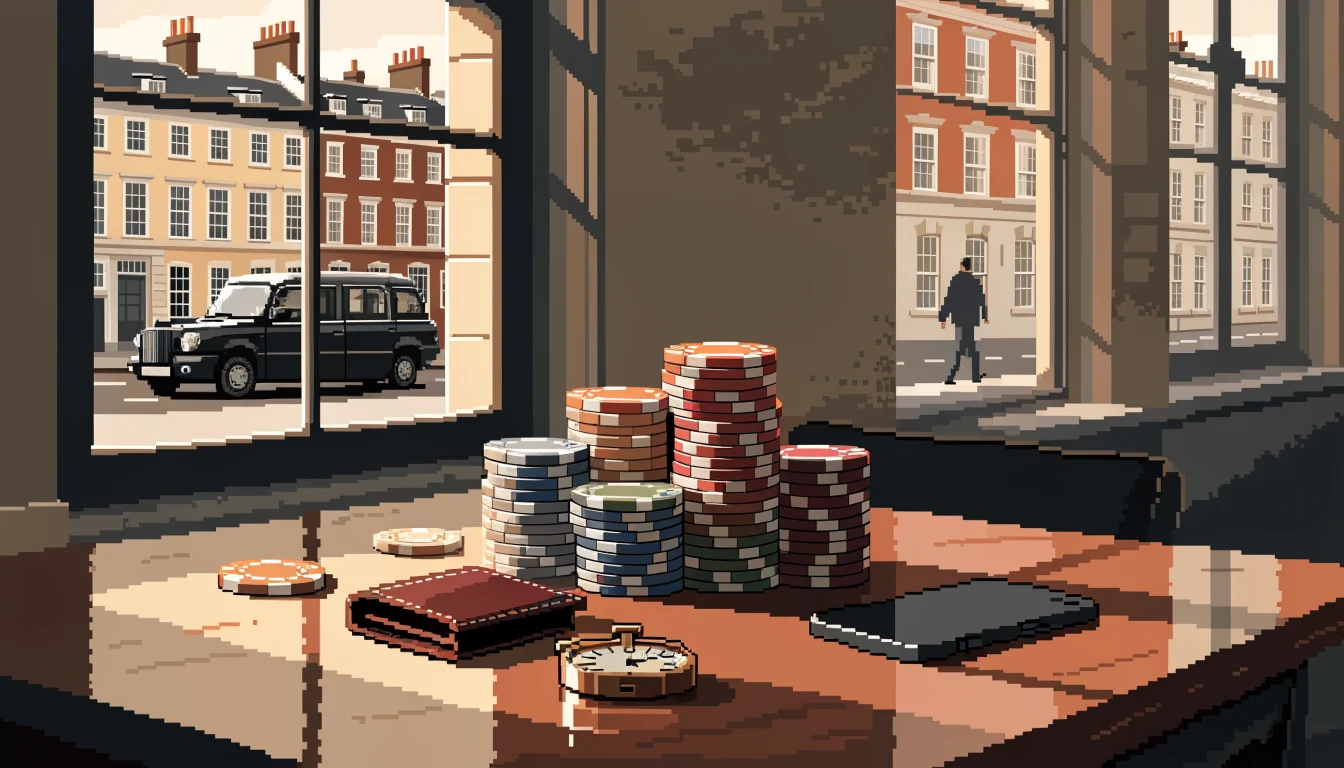
The clearest UK example is the Category C machine. It is the classic British pub fruit machine, with a maximum stake of £1 and a maximum prize of £100. That makes Category C a useful reference point when you see a traditional machine described as a classic slot in a UK context. The phrase describes the format and cultural identity; Category C supplies the specific machine framework.
A pub’s entitlement also matters. An alcohol-licensed pub is automatically entitled to up to two Category C or D machines when it notifies the local licensing authority. This explains why the pub setting is so strongly linked with the classic fruit-machine image. It is not simply a nostalgic label: the venue and machine category fit together within the UK framework.
Online, the same phrase can be looser. A digital game may imitate the visual style of a pub fruit machine without being a Category C machine physically located in a pub. You should therefore separate three ideas:
- the traditional reel-based appearance;
- the informal “classic slot” description;
- the legally defined Category C machine.
That distinction keeps the comparison honest. A UK classic slot is best understood as a traditional fruit-machine style, while Category C identifies the specific pub-machine context. The wording may be casual. The limits are not.
Free Classic Slots: A Low-Stakes Way to Learn the Format
Free play gives you a way to examine a classic slot format without treating the session as a money-making activity. You can inspect the reels, recognise the symbols, adjust the available controls and see how a spin is presented. The point is familiarity, not a forecast of what real play will produce.
A free classic slot may reproduce the visual language of a traditional fruit-machine style game: compact reels, straightforward symbols and a limited control panel. That makes the format easier to understand than a feature-heavy game with several screens and layered bonus rules. Start by identifying the reel display, the active lines or win conditions, the stake control and the spin button. If the information is unclear, the demonstration has already failed its basic test.
Is a classic slot always a fruit machine?
No, ‘classic’ describes a style of presentation and mechanics, not a specific legal category or a requirement for fruit imagery.
Can I play classic slots for free?
Yes, many sites offer free versions to allow players to learn the interface and mechanics without wagering money.
Free play is also useful for separating interface details from gambling claims. A displayed result shows how that demonstration behaves; it does not establish what a real-money session will return. Treat each spin as a sample of the presentation, not evidence of a pattern, a winning sequence or a future outcome. No real-money result follows from it.
The wider British machine framework uses categories based on the stake and prize available. Category D machines are generally low-stake fruit machine style machines, coin pushers or crane grabs, and they have five different combinations of stake and prize. That classification concerns physical gaming machines and should not be confused with an online demo label.
Use free play to answer practical questions:
- Are the symbols and win conditions readable?
- Can you see which controls are active?
- Does the game explain its result clearly?
- Is the layout comfortable on your device?
Then stop at the point where the format is understood. Free play teaches operation. It does not turn chance into a calculation.
Classic Fruit Slots and the British Machine Tradition
The British fruit-machine tradition gives the classic format its most recognisable identity. The visual language is simple: fruit symbols, compact reels and a machine designed to feel familiar rather than cinematic. In a pub, that identity belongs to a physical gaming machine. Online, the same style is presented through software, but the cultural reference remains the old fruit-machine format.
The clearest UK example is the Category C machine. It is the classic British pub fruit machine, with a maximum stake of £1 and a maximum prize of £100. That description matters because “classic” is not a legal category by itself. The familiar appearance points towards a style; the machine category defines the applicable limits.
A pub’s machine is therefore not interchangeable with every online product described as a fruit slot. The phrase may refer to the reel-based presentation, the traditional symbols or the restrained visual design. It does not, on its own, identify a UK gaming-machine category. Check the product information rather than relying on the label.

Category D machines sit at the lower-stake end of the same broad tradition. They are generally low-stake fruit-machine-style machines, although the category also includes coin pushers and crane grabs. That wider scope is easy to miss when “fruit machine” is used as casual shorthand. Not every Category D machine is a reel-based fruit format.
This distinction keeps the British reference useful without turning it into a promise about play. A classic fruit slot may recreate the look and rhythm associated with pub machines, while the underlying rules depend on the specific game or machine. The nostalgia is clear. The classification still comes first.
Classic Slot Machine Symbols: The Visual Language of the Reels
Classic slot machine symbols are designed to communicate quickly. Fruit, bells, bars, sevens and other traditional images create a recognisable reel display, but recognition is not the same as information about outcomes. A symbol’s appearance tells you how the game presents itself; it does not, by itself, establish its value, frequency or likelihood.
When checking a reel-based game, read the symbol display alongside the paytable and help panel. Look for:
- the symbols included in the game;
- the combinations required for a win;
- the active paylines or winning positions;
- any special symbol instructions;
- the stated return information, where it is provided.
The visual style can make a machine look familiar while leaving the important conditions elsewhere on the screen. A bright seven is still only an image until the rules explain what it does.
Symbols Are Interface Information
Traditional symbols help you identify the format and follow the result of a spin. They also show how the game separates ordinary symbols from any feature symbols. That distinction matters because the paytable, rather than the artwork, defines the machine’s rules.
Do not treat a row of matching fruit as evidence that a win is due, or assume that a particular symbol carries the same meaning across different games. The same visual convention can appear in games with different lines, combinations and payout rules.
For regulated gaming machines, displayed information has a practical role. Category B1 machines have no minimum RTP requirement, but the minimum average return must be displayed to the player. That figure is more useful for checking the stated terms than guessing from the symbols.
A lottery ticket vending machine follows a different boundary: it must not require skill or gameplay, determine the lottery outcome, or display the result within less than one hour if it is to avoid classification as a gaming machine. The screen matters. So does what the machine actually does.
Read the rules, not the nostalgia.
Published by the Casinouk Games Info team.